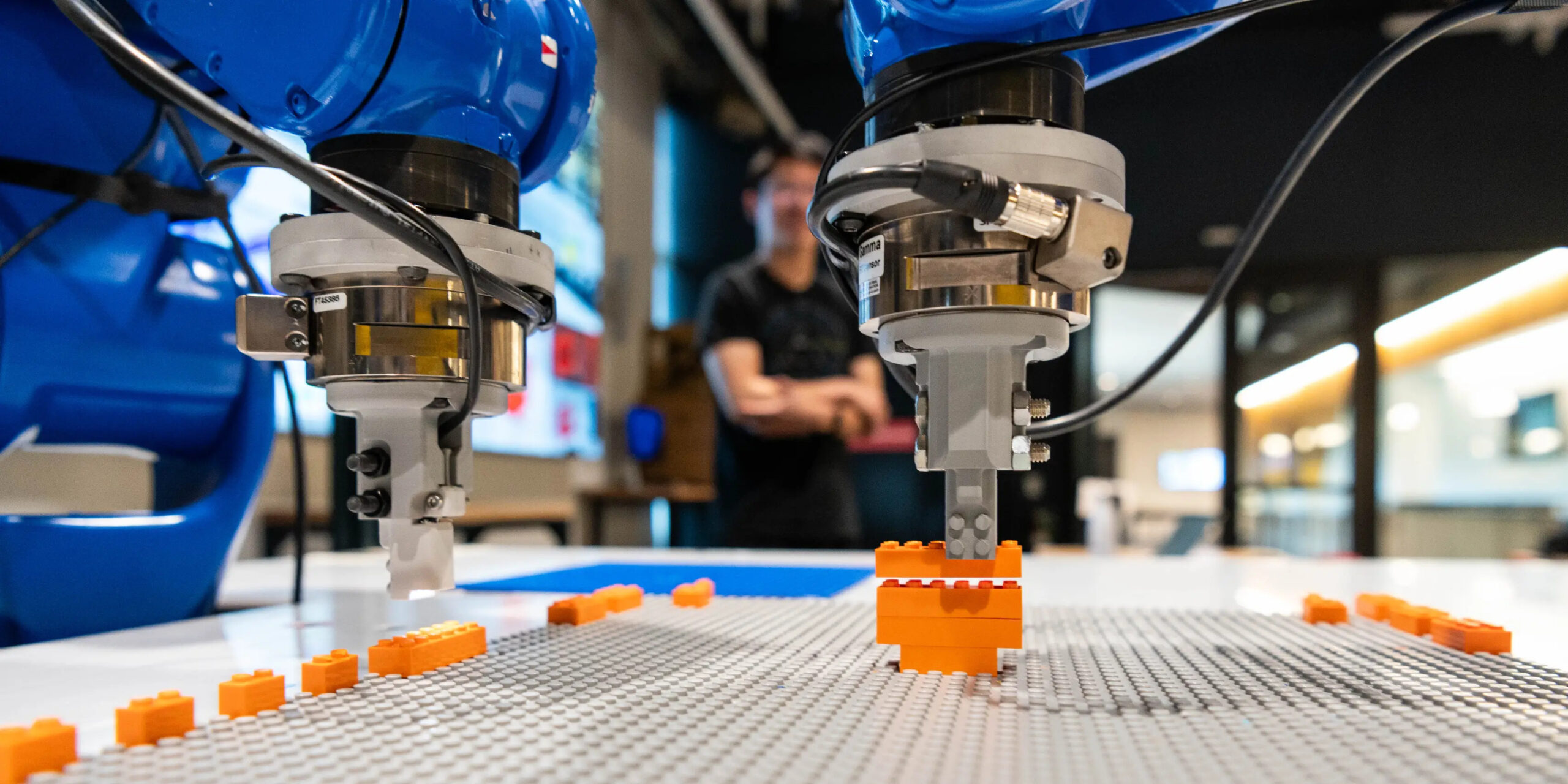

The Robotics Institute at Carnegie Mellon University seeks an energetic, entrepreneurial, and visionary leader to serve as its next director. This is an on-site role, and the anticipated start date is summer 2026.
Responsibilities of the Position
Reporting to the dean of the School of Computer Science (SCS) and serving as a member of the SCS leadership team, the director of the Robotics Institute (director) will provide leadership to enable the Robotics Institute(Institute) faculty, staff, and students to continue to grow the boundaries of the field, connect with pioneering researchers across SCS and the university, and elevate the work and impact of the Institute to its next best iteration. The director will play a pivotal role in fostering the growth of research activities, securing new funding opportunities, and supporting faculty in achieving their research goals. The director manages a talented leadership team of four associate directors and oversees a $112 million budget, which includes a $73 million research base.
The position includes a faculty appointment at the rank of full professor with teaching, research, and service responsibilities.
Key responsibilities of the director include the following:
Strategic Leadership
- Provide visionary leadership to define and execute the long-term goals of the Robotics Institute.
- Champion interdisciplinary collaboration across schools and departments at Carnegie Mellon University.
- Serve as the primary spokesperson and advocate for the Institute within the university and to external stakeholders.
Academic Leadership
- Oversee the delivery and development of academic programs, including undergraduate, graduate, and professional offerings in robotics and related fields.
- Support the recruitment, development, and advancement of faculty, researchers, and students to ensure the Institute’s continued leadership in robotics education, research, and scholarship.
- Promote student success by ensuring students have access to resources that enhance their learning experience.
Research Strategy and Development
- Lead initiatives to expand the Robotics Institute’s research base through strategic partnerships with government, industry, and philanthropic organizations.
- Promote technology transfer, startup incubation, and commercialization of research.
- Develop and implement programs to mentor junior faculty in grant writing, proposal development, and research project management.
- Provide guidance on developing large-scale, multi-investigator proposals and centers of excellence.
Collaboration and Networking
- Serve as a liaison between the Institute, funding agencies, and potential collaborators to enhance the visibility and impact of research activities.
- Serve as a liaison between the Institute, the School of Computer Science, and the office of the vice president for research.
- Facilitate interdisciplinary research collaborations within the Robotics Institute, across Carnegie Mellon University, and with external partners.
Operational Leadership
- Manage the Institute’s budget, staffing, infrastructure, and operations.
- Coordinate grant administration and reporting.
- Ensure compliance with university policies and research regulations.
Qualifications and Characteristics of the Successful Candidate
Minimum requirements for the director of the Robotics Institute include an earned doctorate in robotics or a closely related field; a demonstrated record of research excellence and productivity, evidenced by high-quality publications, peer-reviewed extramural funding, and leadership in research initiatives; teaching and other educational contributions at the graduate and/or undergraduate levels; leadership in interdisciplinary research initiatives; progressive administrative experience leading large teams and projects; and productive academic leadership and service.
The search committee is especially interested in candidates with the following competencies:
- Familiarity with federal funding agencies, including the Department of Defense, National Science Foundation, Department of Health and Human Services, other federal agencies, and industry-funded research models.
- Professional alignment with the key qualities at the heart of RI’s vigor: leadership, commercialization experience, contractual expertise, mentorship, compassion, research vision, thought leadership, social awareness, and educational vision.
- Proven experience in building partnerships across academia, government, and industry.
- Strong organizational and leadership skills to manage complex projects and teams.
In addition to the qualifications stated above, key stakeholders indicated that the next director should be someone who is:
- A strong administrator and leader of people.
- Skilled in navigating a complex and decentralized environment.
- A proactive relationship-builder and collaborator.
- Energized by the mission of the Robotics Institute and its focus on translational research.
- A thoughtful listener and communicator.
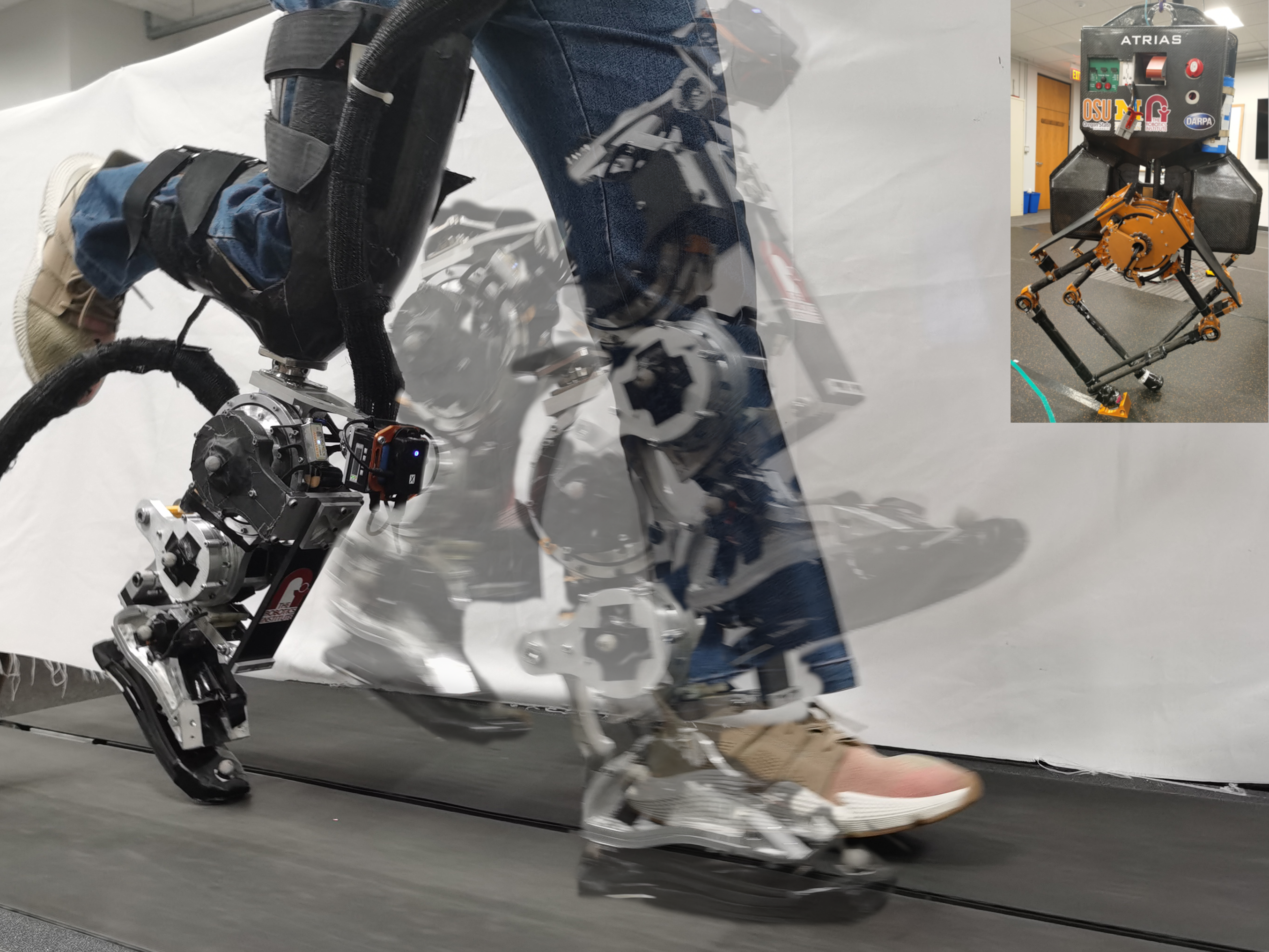
History of the Position
The successful candidate will be the seventh director to lead the Institute’s exceptionally talented faculty, students, postdoctoral scholars, and staff in their work on world-class robotics research, development, and implementation.
Dr. Srinivasa Narasimhan is serving as the interim director while Carnegie Mellon conducts this national search for the permanent director.
Opportunities and Challenges of the Role
In transitioning to the Robotics Institute and Carnegie Mellon University, the director will join an innovative and collegial community led by a highly collaborative Institute leadership team. In this context, the successful candidate will provide leadership on the following priorities, as shared by key Institute stakeholders:
Vision and Leadership
The director must have an appreciation for the Institute’s grassroots culture and exemplify its defining characteristics: collaborative, embracing, supportive, and possessing a broad vision of what robotics constitutes. The director will energize the community to continue living out this vision in ways that are true to the Institute’s core mission while creatively addressing current external dynamics.
Industry Connections and Fundraising
The next director will join the Institute amid tremendous change and uncertainty in the federal and private funding ecosystem. The director must draw on a strong entrepreneurial and fundraising background to ensure the Robotics Institute continues to expand its mission by crafting a compelling and creative vision for new industry partnerships and philanthropy while strengthening the Institute’s relationships and presence with research and funding centers in Washington, DC.
Communication and Community
The Robotics Institute is a large and multi-layered organization, which can create challenges to maintaining a strong sense of community and consistent communication. Given the pace of recent changes and transitions, the director will continue to strengthen internal communication and transparency within the Institute and attend to forces that impact the sense of community within the Institute.
Project and Change Management
Given the scale and number of projects at the Robotics Institute, the next director will draw on their experience with leading large initiatives and scaling up in leading the Institute through its next iteration. The director must be able to balance strong project management and administrative skills with the need for someone who can lead people and systems through change in a thoughtful and informed way.
Enrollment and Student Experience
Like many of its peers, CMU is impacted by the uncertainties of the domestic and international graduate student and postdoctoral scholar pipelines. The director must utilize their enrollment management experience to offer creative solutions to these headwinds. Further, stakeholders indicated that the director should thoughtfully connect with students, understand the perspectives and experiences of the different student populations, and attend to student wellbeing beyond research performance and professional outcomes.
Measures of Success
The director of the Robotics Institute will work directly with Dean Martial Hebert to identify specific quantitative and qualitative measures of success and their timetables soon after joining Carnegie Mellon University. The search committee offers the following as general markers of success in the first 18 to 24 months in the role:
- The director has established collaborative and supportive relationships with the Robotics Institute and SCS leadership teams and a credible presence across the university.
- Faculty, staff, and students have observed that the director is learning about the Institute and its people and listening to community feedback.
- The director has identified viable paths for new industry and government funding and crafted a commercial funding roadmap outline.
- There is an elevated sense of excitement for the Robotics Institute and a greater sense of connection within the community.
- Internal communication has improved, and the Institute community hears from the director regularly about priorities and strategy.
- The Institute has formulated comprehensive plans for managing and growing student enrollment in its undergraduate and graduate programs.

Overview of the Robotics Institute
The Robotics Institute at Carnegie Mellon University is a global leader in robotics research and education. With an annual research base of approximately $80 million, Institute faculty and students conduct cutting-edge research in critical areas such as autonomous systems, human-robot interaction, and artificial intelligence. The Institute has significantly impacted the local economy, spawned over 30 startups employing over 1000 people, and helped attract companies such as Google, Apple, Intel, Caterpillar, and Disney to Pittsburgh.
The Robotics Institute was established in 1979 to conduct basic and applied research in robotics technologies relevant to industrial and societal tasks. Seeking to combine the practical and the theoretical, it has diversified its efforts and approaches to robotics science while retaining its original goal of realizing the potential of the robotics field. The Institute is one of the seven academic departments within CMU’s School of Computer Science.
Leadership Team
Director of the Robotics Institute
- Associate Director for Education
- Associate Director for Faculty Mentoring
- Associate Director for Faculty
- Associate Director for Finance and Administration
- Administrative Assistant
Outreach and K-12 Programs at the Robotics Institute
Scope of Research
The Robotics Institute is a worldwide hub of robotics research. While much of its work focuses on core robotics technologies like manipulation, locomotion, and control, it also focuses on related research areas, including machine learning, computer vision, and graphics. The Institute regularly partners with government, industry, and non-profit organizations in the areas of sponsored research and education.
With over 100 current projects, the Robotics Institute is the world’s largest university-affiliated robotics research group.
Extended Reality Technology Center
National Robotics Engineering Center
Founded in 1996, the National Robotics Engineering Center (NREC) is an operating unit within the Robotics Institute. NREC works closely with government and industry clients to develop and mature robotic technologies from concept to commercialization.
About the School of Computer Science
The School of Computer Science at Carnegie Mellon University is a world leader in computing research and education. With total annual research expenditures of nearly $110 million (within a budget of approximately $305 million), it currently enrolls over 2,600 students (spring 2025) across seven undergraduate majors, eight distinct PhD programs, and over 20 master’s programs. It is home to approximately 270 faculty and 540 staff across seven academic departments.
Founded as the Computer Science Department in 1965, one of the world’s first, it transformed into the School of Computer Science in 1988 with the prescient vision to lead the world in studying computers and the technologies they enable. Since then, it has steadily grown in stature and impact. Today, it is widely recognized as one of the top computer science schools in the world, and it is consistently ranked in the top two among computer science programs by U.S. News and World Report. Twelve SCS faculty and alumni have won the A. M. Turing Award. Other honors include memberships and fellowships in the National Academy of Sciences, the National Academy of Engineering, the American Association for the Advancement of Science, the Association for Computing Machinery, the Institute of Electrical and Electronic Engineers, and The Alfred P. Sloan Foundation.
School of Computer Science website
The Link: The Magazine of the School of Computer Science
School of Computer Science Leadership

Dr. Martial Hebert
Martial Hebert became dean of Carnegie Mellon University’s world-renowned School of Computer Science in August 2019. A leading researcher in computer vision and robotics, he’s the sixth dean to lead the school since its inception in 1988.
Hebert’s research primarily centers on computer vision. He has led research on fundamental components, such as scene understanding, object recognition and applying machine learning to computer vision, and applications, including systems that enable older adults and people with disabilities to live more independently. To help meet the needs of a rapidly expanding computer vision industry, he created the nation’s first master’s degree program in computer vision.
Hebert is a member of the IEEE Robotics and Automation and the IEEE Computer societies. Throughout his career, he has published hundreds of refereed papers in journals and conference proceedings and has contributed to multiple edited volumes. He currently serves as editor-in-chief of the International Journal of Computer Vision. In 2022, he was named a University Professor, CMU’s highest distinction for faculty members.
About Carnegie Mellon University
Carnegie Mellon University, a member of the Association of American Universities, is a global, research-intensive university with nearly 16,800 students, 127,000 active alumni, and approximately 6,300 faculty and staff. In 2025, U.S. News & World Report ranked CMU number 21 among national universities, and many of its programs are among the top-ranked in the world. Carnegie Mellon boasts academic strength across a broad range of fields spanning physical and life sciences, computer science, engineering, social sciences, humanities, fine arts, business, and public policy, and, indicative of this breadth, is home to the top-ranked programs in computer science, software engineering, management information systems, and time-based/new media. CMU’s annual budget exceeds $1.3 billion, with total research expenditures of $400 million. In addition to its main campus in Pittsburgh, Pennsylvania, Carnegie Mellon has campuses in California’s Silicon Valley and Qatar, as well as programs in Africa, Asia, Europe, and Mexico.
Over the past 50 years, CMU has set the standard for scholarship, education, and impact for a 21st-century research university. The university is known for its distinctive culture, which champions interdisciplinary inquiry in a technology-rich environment. It maintains a forward-thinking stance towards all disciplines, strives to be socially relevant, and embraces the traditions and values of humanistic inquiry across all pursuits. CMU faculty are renowned for inspiring students to think creatively, interpret with insight, and solve significant societal, scientific, and technological challenges. Current and former faculty and alumni include 21 Nobel Prize laureates, 429 members of the National Academies, and winners of 13 Turing Awards, 13 Academy Awards, 142 Emmy Awards, and 60 Tony Awards.
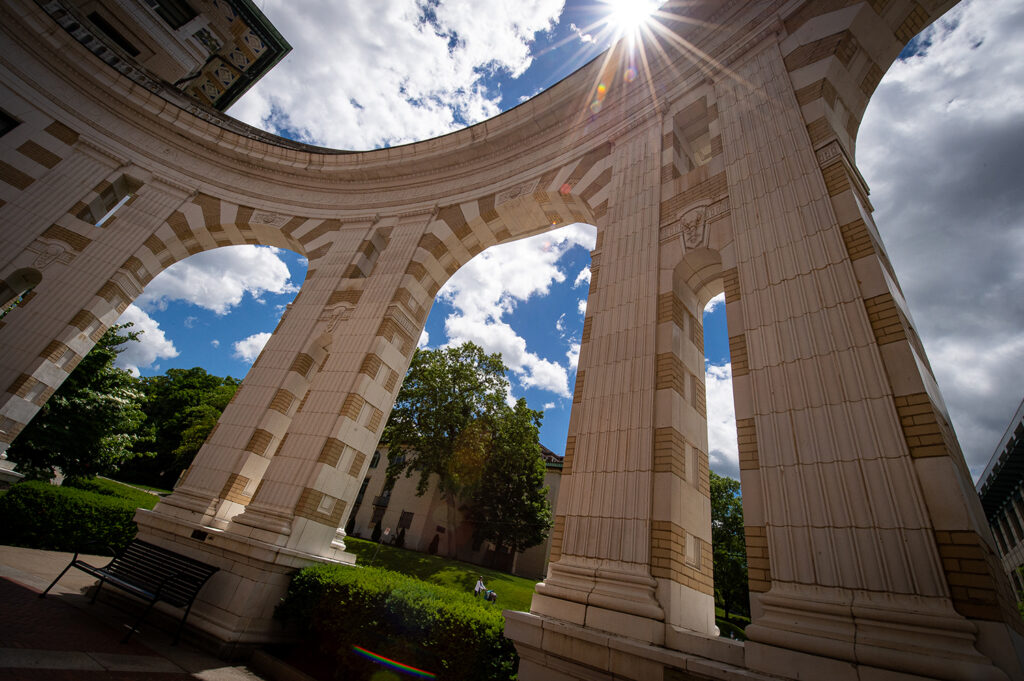
Institutional Leadership

Farnam Jahanian
Farnam Jahanian is the 10th president of Carnegie Mellon University and holds the Henry L. Hillman President’s Chair. He is currently serving his second five-year term at the university’s helm and previously held posts as Carnegie Mellon’s provost and vice president for research.
A nationally recognized computer scientist, entrepreneur, public servant, and academic leader, Jahanian has advanced many key priorities at the university and in higher education more broadly. At CMU, Jahanian has spearheaded efforts to enhance the overall student experience, focusing on holistic health and wellbeing, student success, and inclusion.
As president, Jahanian has led the most ambitious expansion of campus infrastructure in CMU’s history, including renovating education and learning spaces, re-envisioning the residential experience, and adding a state-of-the-art maker ecosystem. He has also prioritized expanding partnerships that advance the university’s research mission and saw CMU reach–ahead of schedule–the $2 billion mark in an ongoing fundraising campaign, which is the largest in the institution’s history.
CMU Leadership Organizational Chart
The Student Body (Spring 2025)
Total Enrollment: 15,148
Undergraduate: 7,450
Graduate: 7,335
Other: 363
Men: 56.5 percent
Women: 43.5 percent
African American/Black: 3.1%
Asian: 21.4%
Hispanic/Latino: 6.3%
White: 17.8%
Two or More Races: 3.9%
Not Reported: 5.6%
International: 41.8%
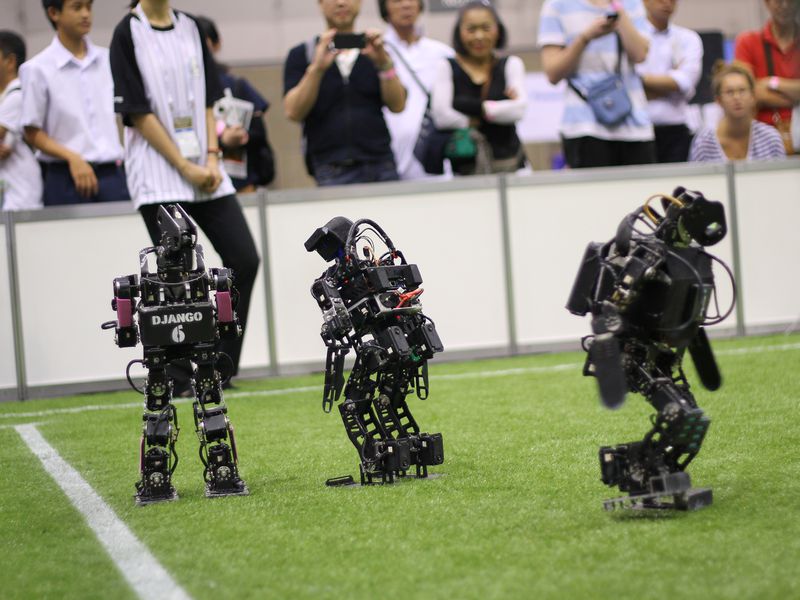
Benefits Overview
This position is eligible for full-time benefits as afforded to all full-time Carnegie Mellon University employees, including, but not limited to, the following:
- Comprehensive medical, prescription, dental, and vision insurance
- Retirement savings programs
- Paid time off and holidays
- Tuition benefits
- Life, accidental death, and disability insurance.
Additional information regarding the full range of benefits afforded can be found here.
Application
Review of applications will begin immediately, and continue until the position is filled. To apply for this position, please click the Apply button, complete the brief application process, and upload your CV and position-specific cover letter. Applicants needing reasonable accommodation to participate in the application process should contact Spelman Johnson at 413-529-2895 or email info@spelmanjohnson.com.
Sponsorship: Applicants must be legally authorized to work for Carnegie Mellon University in the United States. CMU will not sponsor or take over the sponsorship of an employment visa for this opportunity.
Visit the Robotics Institute website at www.ri.cmu.edu/ and the Carnegie Mellon University website at www.cmu.edu/.
Carnegie Mellon University does not discriminate and Carnegie Mellon University is required not to discriminate in admission, employment, or administration of its programs or activities on the basis of race, color, national origin, sex or handicap in violation of Title VI of the Civil Rights Act of 1964, Title IX of the Educational Amendments of 1972 and Section 504 of the Rehabilitation Act of 1973 or other federal, state, or local laws or executive orders.
RELATED LINKS: