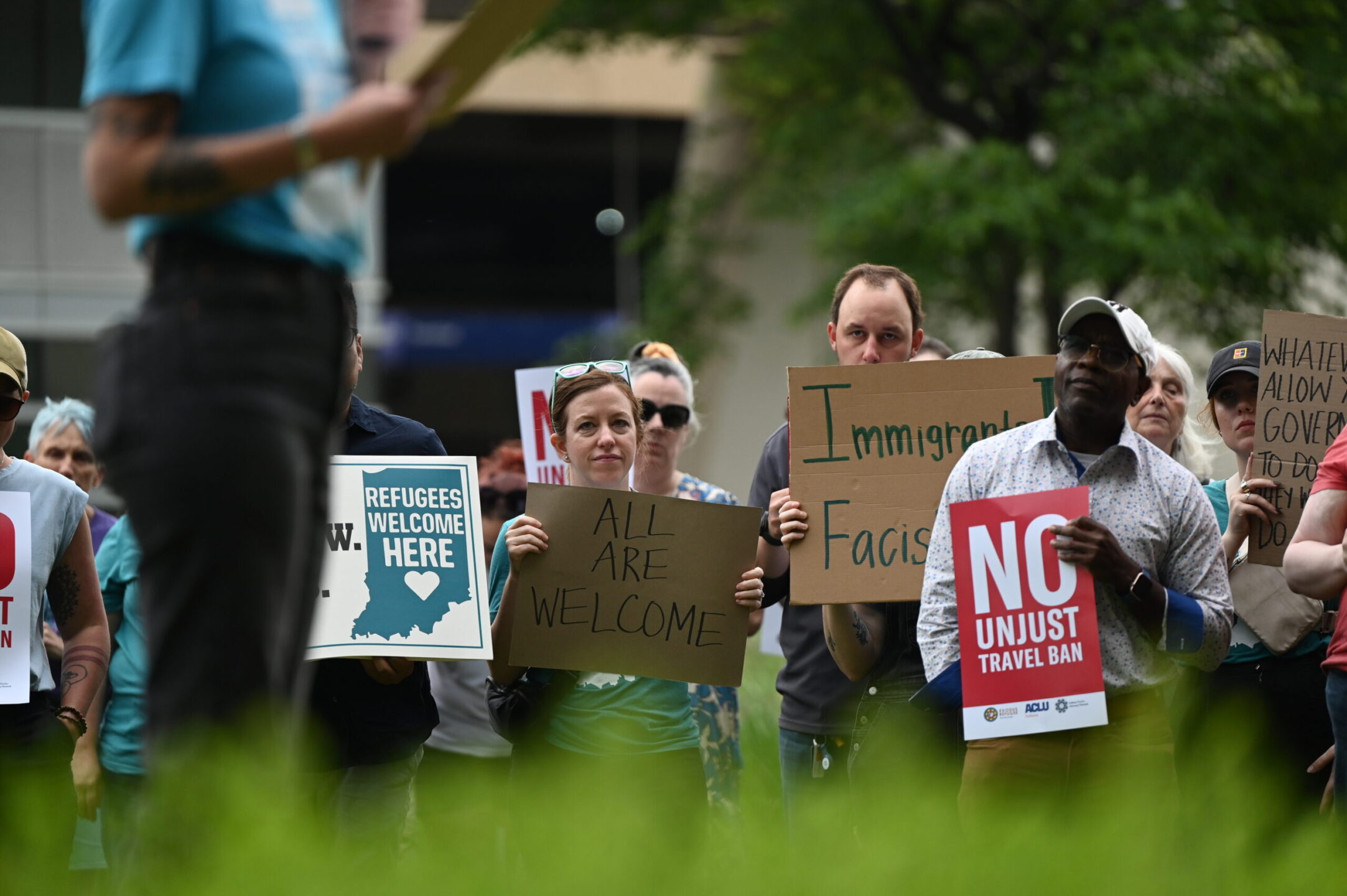

The American Civil Liberties Union (ACLU) of Indiana seeks an inspiring, visionary, and strategic leader to serve as executive director during a defining era for civil liberties and civil rights. This leader will champion fundamental freedoms and guide efforts to safeguard and expand constitutional rights in Indiana and beyond. The anticipated start date is summer 2026.
The Landscape: Civil Liberties in Indiana
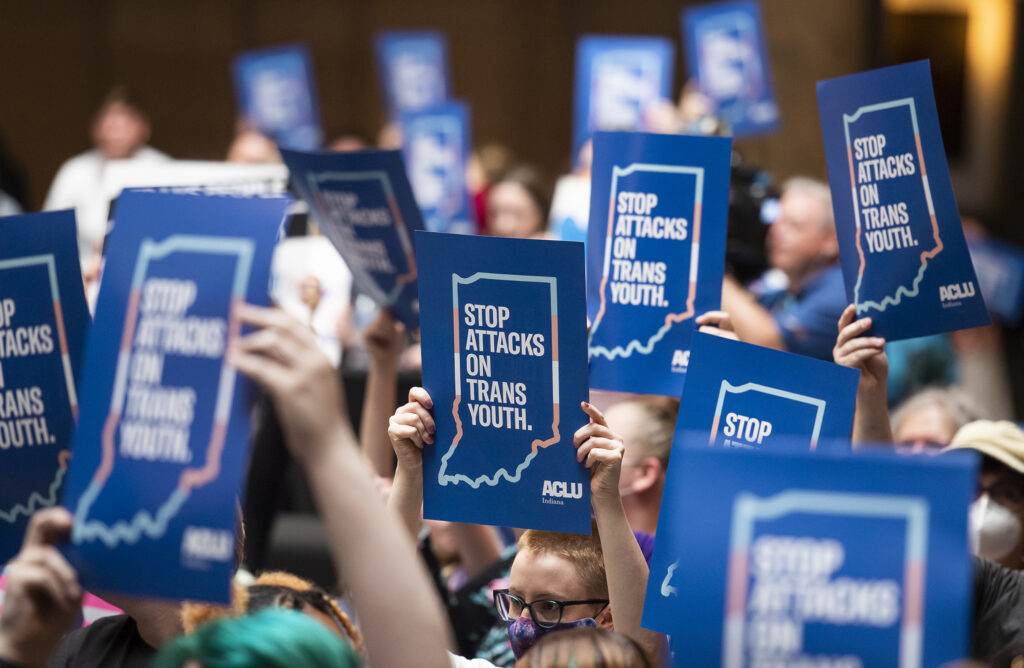
A significant concentration of political power currently shapes Indiana’s civil liberties landscape. With a Republican legislative supermajority and unified executive control, state lawmakers consistently push the boundaries of constitutional protections. These challenges are most acute for reproductive freedom, with a 2023 near-total ban in effect and 2026 proposals aiming to restrict medication abortion through civil liability and bounty-style enforcement. At the same time, restrictions on LGBTQ+ rights have intensified—including the February 2026 ban on gender marker changes on identification documents and proposed school restroom restrictions—alongside efforts to curb free speech on college campuses.
While the path forward remains complex, recent shifts suggest progress is achievable through coalition-building and grassroots engagement. A watershed moment occurred on December 11, 2025, when the Indiana Senate rejected a mid-decade redistricting plan—a gerrymander designed to secure a 9-0 Republican advantage. Driven by a bipartisan coalition of 21 Republicans and 10 Democrats, the 31–19 vote overcame aggressive lobbying and threats from national leaders, bolstered by intense grassroots mobilization demanding fair representation. Such actions highlight a growing momentum to protect democratic principles and challenge the erosion of civil liberties in the state.
The Opportunity
This role is an exceptional opportunity for a mission-driven leader to advance civil liberties and civil rights in Indiana. The executive director sets strategy, drives operations, fosters inclusion, and serves as the ACLU of Indiana’s chief advocate and spokesperson. In collaboration with the board, staff, and external partners, the executive director defends and preserves the constitutional rights of all Hoosiers, champions fundraising efforts, and ensures the organization remains financially sustainable.
Success in this position requires proven executive experience, high emotional intelligence, and a collaborative, entrepreneurial management style. The role demands the fortitude to navigate a complex political landscape with unwavering integrity. The ideal candidate is a clear, trusted voice for justice, capable of upholding the organization’s legacy as the state’s preeminent guardian of constitutional principles.
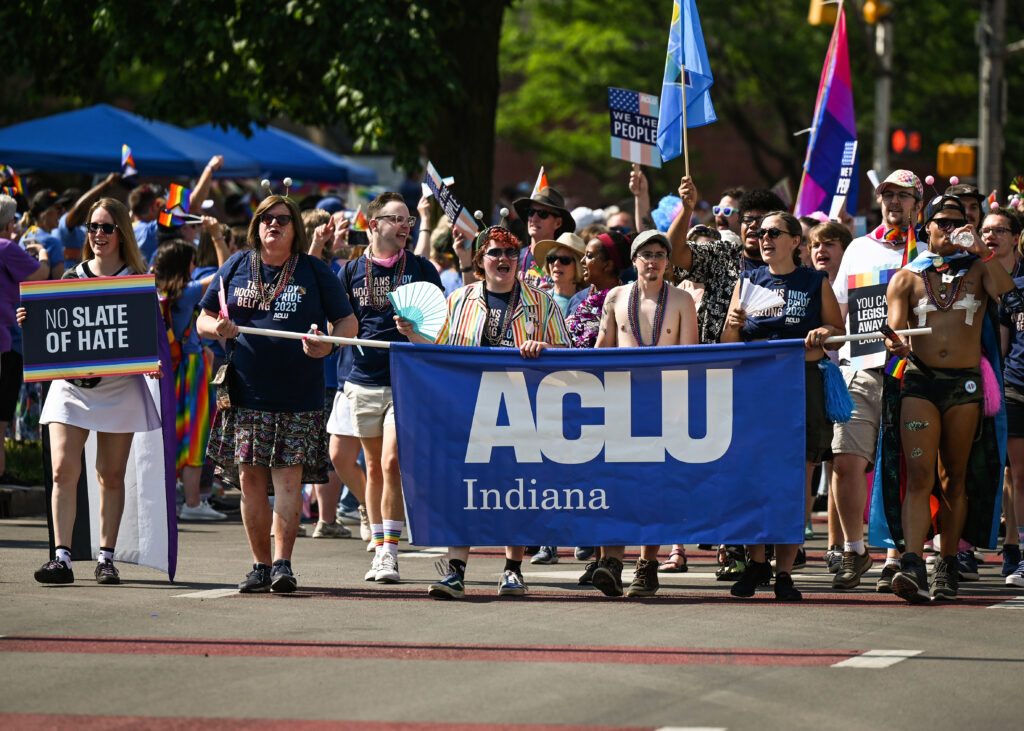
About the ACLU of Indiana
Founded in November 1953 as the Indiana Civil Liberties Union, the ACLU of Indiana is the state’s leading defender of civil liberties and constitutional rights. As one of 54 affiliates of the national American Civil Liberties Union, it has championed justice with courage and conviction for over 70 years. Headquartered in Indianapolis, the affiliate operates as a nonpartisan, nonprofit membership organization with more than 30,000 supporters. It does not accept government funding.
The ACLU of Indiana comprises two distinct nonprofit entities: the ACLU of Indiana, a 501(c)(4) advocacy organization, and the ACLU of Indiana Foundation, a 501(c)(3) charitable organization. Both entities are tax-exempt and share the same mission. An overlapping board of directors provides fiduciary, strategic, and legal oversight, while dedicated staff, volunteers, and interns carry out the day-to-day work. Drawing on a legacy of legal action, the organization employs an integrated advocacy model—combining litigation, public education, policy advocacy, direct lobbying, and strategic communications—to uphold the freedoms guaranteed by the U.S. and Indiana Constitutions.
The executive director partners with staff to address issues at the forefront of the ACLU of Indiana, including but not limited to:
- Free Speech
- Healthcare & Disability Rights
- Immigrants’ Rights
- LGBTQ+ Rights
- Policing
- Privacy & Technology
- Racial Justice
- Religious Liberty
- Reproductive Freedom & Women’s Rights
- Student & Minor Rights
- Voting Rights
Throughout its history, the ACLU of Indiana has been a trailblazer. Its legacy began with the 1953 struggle to secure the right to assemble at the Indiana War Memorial. Over the decades, notable achievements followed, such as defending Vietnam War protesters in the 1960s and advocating for 13-year-old Ryan White’s right to attend school in the 1980s—a watershed battle against AIDS-related discrimination. In 2000, the organization secured a significant U.S. Supreme Court victory that limited the constitutionality of police roadblocks.
In the 21st century, the organization championed equality by co-founding Freedom Indiana to secure marriage equality in 2014 and by blocking the discriminatory suspension of Syrian refugees. In the 2020s, the ACLU of Indiana continued to fight for justice, taking on crucial battles over reproductive freedom and illegal voter purges. In a historic 2024-2025 victory, it successfully challenged Indiana University’s “expressive activity” policy, which restricted free speech by banning overnight protests. A federal judge ruled that the policy likely violated the First Amendment, which protects students’ and faculty’s rights to assemble.
For more information on the ACLU of Indiana, please visit their website.
The Path to the Present
Jane Henegar, an attorney and former deputy mayor of Indianapolis, served as executive director of the ACLU of Indiana from 2012 until her retirement in December 2023. For over a decade, the organization flourished under her leadership, doubling staff and quadrupling membership. Her tenure saw historic legal victories for marriage equality and civil liberties, leaving a legacy that continues to inspire staff and board members.
In September 2025, following a subsequent leadership transition, the board appointed Legal Director Kenneth J. Falk and Finance and Operations Director Tarah Reid as co-interim executive directors. This strategic pairing combines Falk’s 30 years as legal director—renowned for his work in state and federal court—with Reid’s operational expertise. Together, they ensure steady leadership and forward momentum as the organization conducts a national search for a permanent leader.
Role of the Executive Director
As chief executive officer of the ACLU of Indiana, the executive director sets strategy, directs operations, and implements plans to advance the organization’s mission. They empower and develop a high-performing team, manage daily operations, and ensure long-term financial sustainability. By coordinating advocacy efforts and aligning organizational functions, the executive director strengthens the affiliate’s capacity to protect civil liberties and adapt to changing constituent needs.
Serving as chief spokesperson and ambassador, the executive director leads fundraising to secure mission-critical resources, represents the organization in public forums and the media, and builds alliances by forging strategic partnerships and coalitions. They support staff in navigating Indiana’s complex political landscape by meeting with legislators, tracking policy developments, and mobilizing supporters to ensure the ACLU’s presence at the statehouse, in the courts, and within communities. As principal liaison to the national ACLU and other state affiliates, they coordinate efforts to ensure alignment with regional and national initiatives.
Internally, this leader serves as a builder and steward, collaborating with the board and staff to clarify roles, streamline operational systems, and foster an inclusive, vibrant organization. The executive director creates a psychologically safe environment grounded in trust and mutual respect, where diverse perspectives are valued, staff are empowered to take strategic risks, and open, honest communication is the norm. The executive director leads conversations around culture and racial justice, integrating equity, diversity, inclusion, and belonging (EDIB) into all facets of the organization to ensure the ACLU of Indiana lives its values and represents the communities it serves.
Above all, the executive director is a people-centric leader, bringing a passionate, mission-driven approach to every decision and ensuring that the well-being of staff and the communities served are top priorities.
The executive director reports to a 30-member board of directors, which consists of 12 regional and 18 at-large members. While 20 seats are currently filled, the board has the capacity to add up to 10 additional members. As shown in the organizational chart, the executive director leads a staff of 19 and oversees a senior management team comprising the legal director, director of finance and operations, director of philanthropy, communications manager, advocacy manager, and lobbyist.

Opportunities and Challenges
The next executive director will lead the ACLU of Indiana into its next chapter, focusing on the following priorities:
- Navigate a High-Stakes Environment: Lead with agility amid rapidly emerging threats to civil liberties. Defend against accelerating legislative attacks by positioning the affiliate as Indiana’s trusted authority in legal strategy and advocacy, with a focused commitment to reproductive freedom, voting access, and LGBTQ+ rights.
- Lead Strategic Planning and Execution: Collaborate with the board and staff to shape the affiliate’s strategic direction—transitioning from tactical action to a long-term vision by developing and implementing an actionable, multi-year strategic plan.
- Promote Integrated Advocacy: Align litigation, legislative lobbying, grassroots organizing, and strategic communications to sustain a robust advocacy model that maximizes impact and addresses systemic injustices.
- Cultivate Partnerships and Coalitions: Build deep, trusted relationships with community leaders, activists, and directly impacted groups. Actively engage these stakeholders, incorporate their perspectives into the affiliate’s strategy, and share resources to advance collective goals. Serve as a visible leader in Indiana’s movement for civil and constitutional rights.
- Drive Philanthropic Growth and Sustainability: Set ambitious revenue goals with the board and development staff. Expand, cultivate, and steward a diverse donor base and secure major gifts. Articulate a compelling case for support in a challenging political climate and work with the staff and board to proactively manage fluctuating donor engagement.
- Elevate Operational Excellence: Collaborate with managers and staff to bridge departmental silos, streamline workflows, and modernize systems to improve collaboration, synergy, and accountability across all teams.
- Champion Equity, Diversity, Inclusion, and Belonging: Lead with integrity to create a workplace built on trust, equity, and transparency—fostering an environment where staff thrive while ensuring internal practices authentically reflect the organization’s external commitment to social justice.
- Strengthen Board Governance and National Connections: Establish a high-trust, collaborative partnership with the board through transparent communication and support for board development and decision making. Strengthen organizational connections with the ACLU national office to leverage resources and expertise that amplify the affiliate’s impact.
- Enhance Financial Stewardship: Work with the staff and board finance committee to oversee budgeting, fiscal management, and administration, optimizing resources and securing long-term operational resilience.
Candidate Profile
The ACLU of Indiana seeks a visionary leader with strong management skills who inspires high-performing teams. This leader must thrive at the intersection of strategy and execution. Grounded by a strong moral compass and unimpeachable integrity, they are prepared to provide effective, long-term stewardship to advance the organization’s mission.
While many paths can lead to success in this role, strong candidates will demonstrate most of the following competencies and qualifications:
Key Competencies
- Strategic Leadership: Proven ability to develop and implement a shared vision and comprehensive strategic plan that drives measurable results and organizational growth.
- Mission Alignment: Strong commitment to defending and advancing civil rights and civil liberties, and clear alignment with the ACLU’s mission and values.
- Fundraising and Development: Demonstrated success in—or clear talent and enthusiasm for—engaging, soliciting, and cultivating major donors and securing significant gifts.
- Management and Mentorship: Significant experience supervising staff, managing diverse teams, and fostering a high-performance culture built on trust, equity, and accountability.
- Communication and Advocacy: Exceptional public speaking and media skills, with the ability to act as a bold, nonpartisan spokesperson who mobilizes supporters and influences public policy.
- Community Engagement: History of strong community outreach, coalition building, and partnership development, particularly within marginalized communities.
- Operational and Financial Acumen: Solid business intelligence, budgeting, and financial operations experience with the capability to manage the infrastructure necessary for mission-focused work.
- Emotional Intelligence and Culture Building: High emotional intelligence to cultivate trust and psychological safety, embedding diversity, equity, and inclusion throughout the organization to foster a genuine culture of belonging.
- Governance Expertise: Experience partnering with or serving on a voluntary board of directors, possessing a deep understanding of the dynamics of strategic governance and productive board-staff relations.
Qualifications and Requirements
- Experience: Ten or more years of relevant professional experience in a complex, mission-driven organization, ideally in civil rights, social justice, impact litigation, or a related nonprofit.
- Education: A bachelor’s degree is required; an advanced degree is preferred.
- Equivalency: An equivalent combination of leadership experience, education, and professional background will be considered.
- Contextual Knowledge: Some familiarity with the Indiana sociopolitical landscape is a plus.

Indianapolis, Indiana
The ACLU of Indiana is headquartered in Indianapolis, a dynamic Midwestern metropolis of over 870,000 residents—with a regional population exceeding 2.1 million—that affords ambitious professional opportunities and an exceptional quality of life. Known as the “Crossroads of America,” Indianapolis (Indy) boasts a sophisticated, diverse economy anchored by a booming tech scene, a premier life sciences sector, and a deeply rooted philanthropic community. The city offers a premium, accessible lifestyle with a cost of living consistently below the national average.
Residents enjoy a vibrant downtown anchored by the historic Bottleworks District, a James Beard-recognized culinary scene, and miles of green space along the expanding Monon Trail and White Riverway. The city is home to notable attractions, including the iconic Indianapolis 500, the world’s largest children’s museum, and the emerging Factory Arts District. More than just a destination, Indianapolis thrives as a collaborative and forward-thinking community. For those committed to advancing civil liberties and social justice, Indy offers the perfect backdrop to drive meaningful change while enjoying one of the nation’s most livable cities.
Compensation and Benefits
The anticipated hiring range is $172,000 to $200,000. Salary will be determined by several factors, including the selected individual’s knowledge, skills, and experience.
The ACLU of Indiana offers an excellent benefits program, including paid vacation, personal time off, health, dental, and life insurance, short- and long-term disability insurance, and employer contributions to the employee’s health savings account and 401(k) retirement plan.

Applications, Inquiries, and Nominations
The ACLU of Indiana has retained Spelman Johnson, a national executive search firm, to lead the search for its next executive director.
Application Process
Review of applications begins immediately and continues until the position is filled. To ensure full consideration, interested individuals should submit materials by the priority deadline of March 25, 2026.
To apply, please click on the blue “Apply for Position” button, complete the brief application process, and upload your and a cover letter addressing the themes and requirements outlined in this position specification.
Individuals requiring reasonable accommodations to participate in the application process should contact Spelman Johnson at 413-529-2895 or info@spelmanjohnson.com.
This search is fully confidential; finalist names will not be publicly announced. References will be contacted only after the initial round of interviews, and only with the candidate’s prior knowledge and consent.
Inquiries and Nominations
Confidential inquiries and nominations should be directed to:
Jim Norfleet
Social Impact Practice Leader and Senior Consultant
Spelman Johnson
Email: jmn@spelmanjohnson.com
Direct: 609-577-3051
Visit the ACLU of Indiana website at www.aclu-in.org/
The ACLU is an equal opportunity/affirmative action employer and encourages applications from all qualified individuals without regard to race, color, religion, gender, sexual orientation, gender identity or expression, age, national origin, marital status, citizenship, disability, veteran status, or record of arrest or conviction.